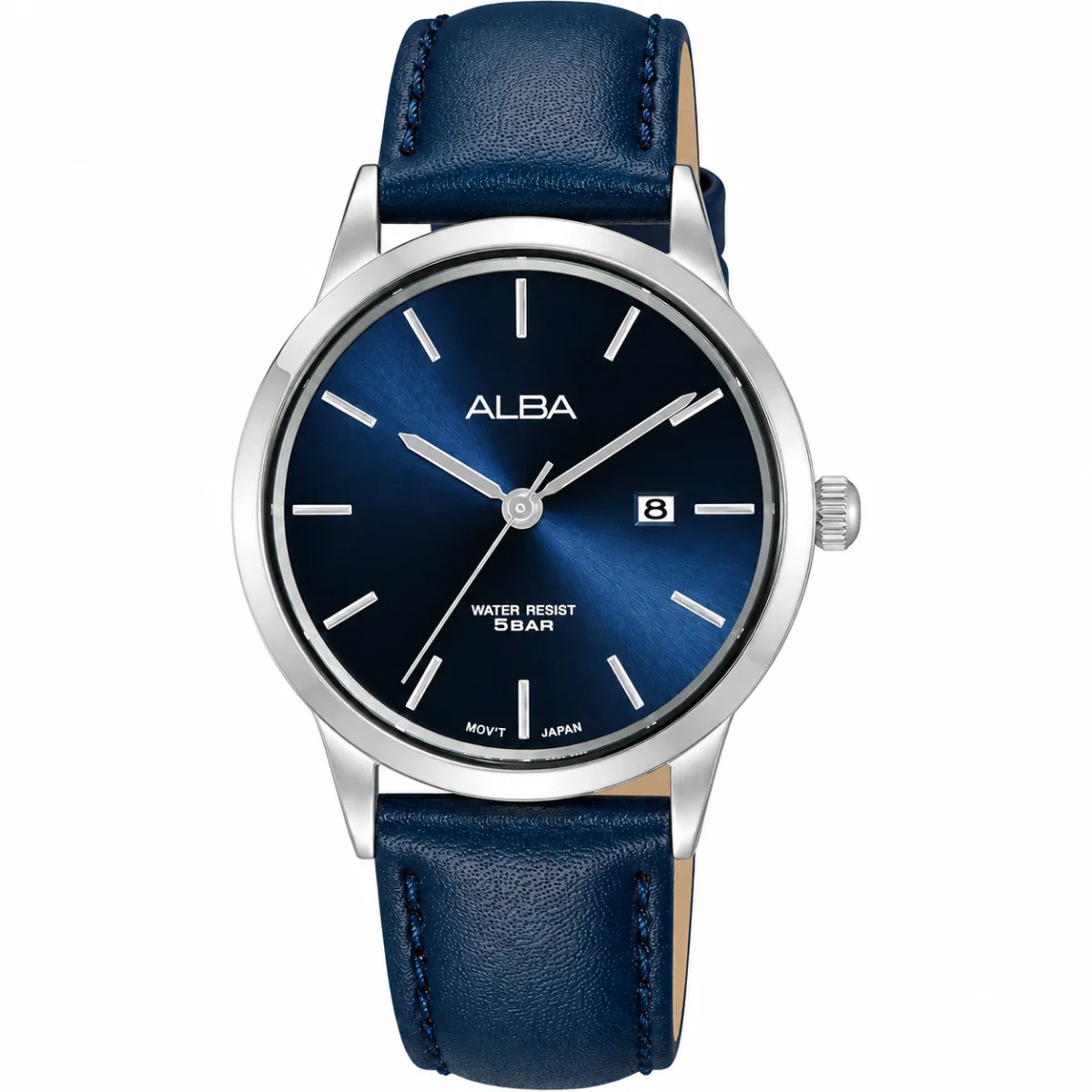
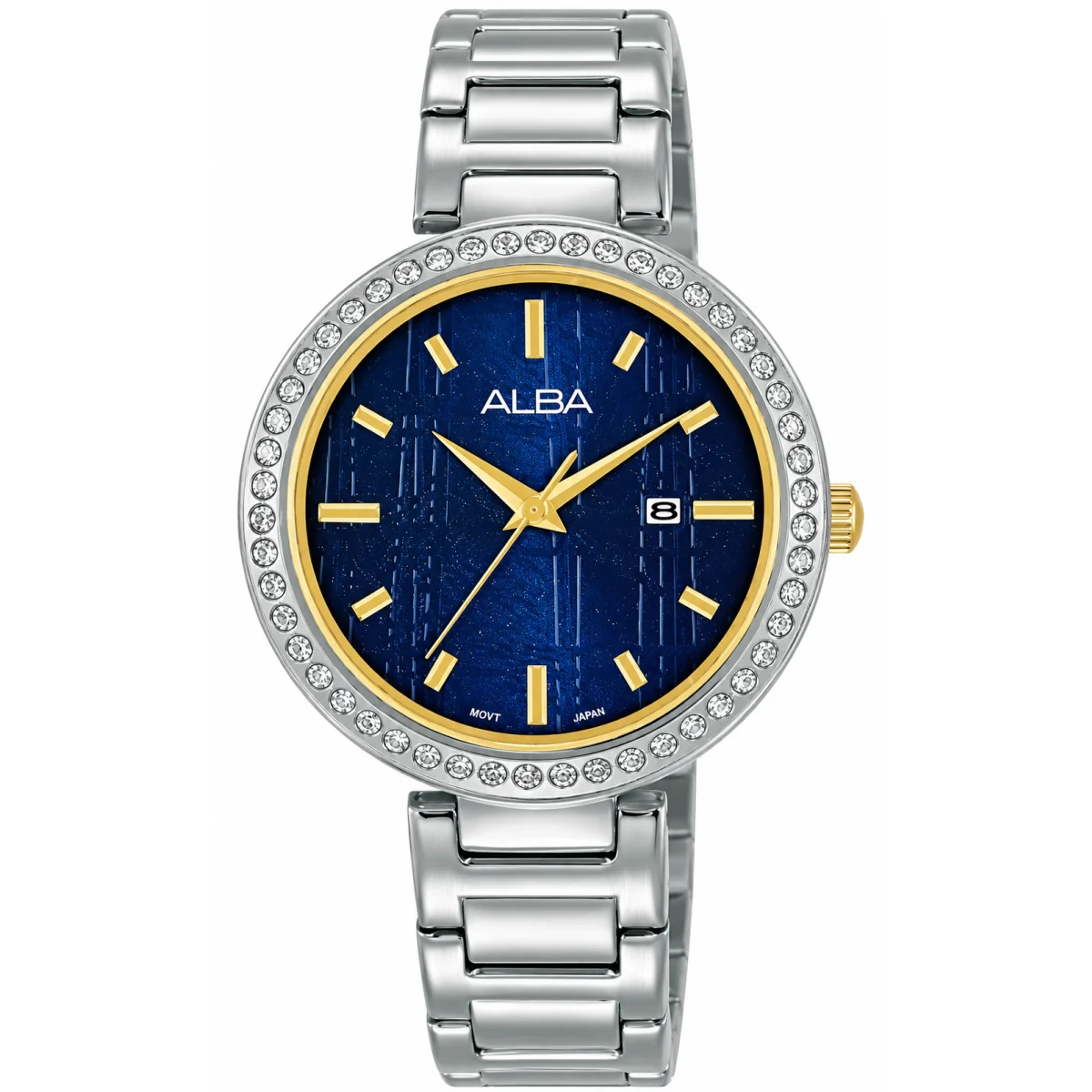
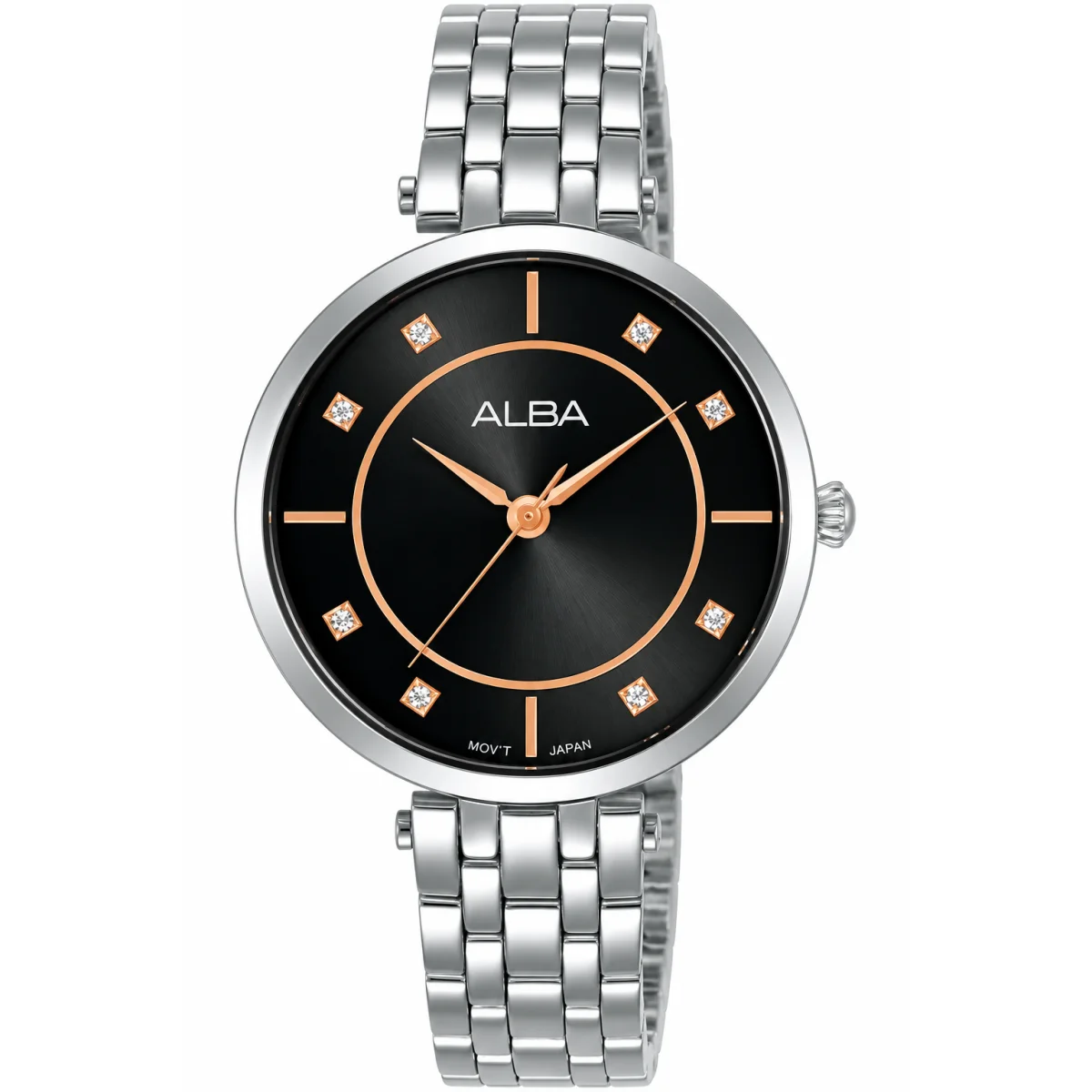
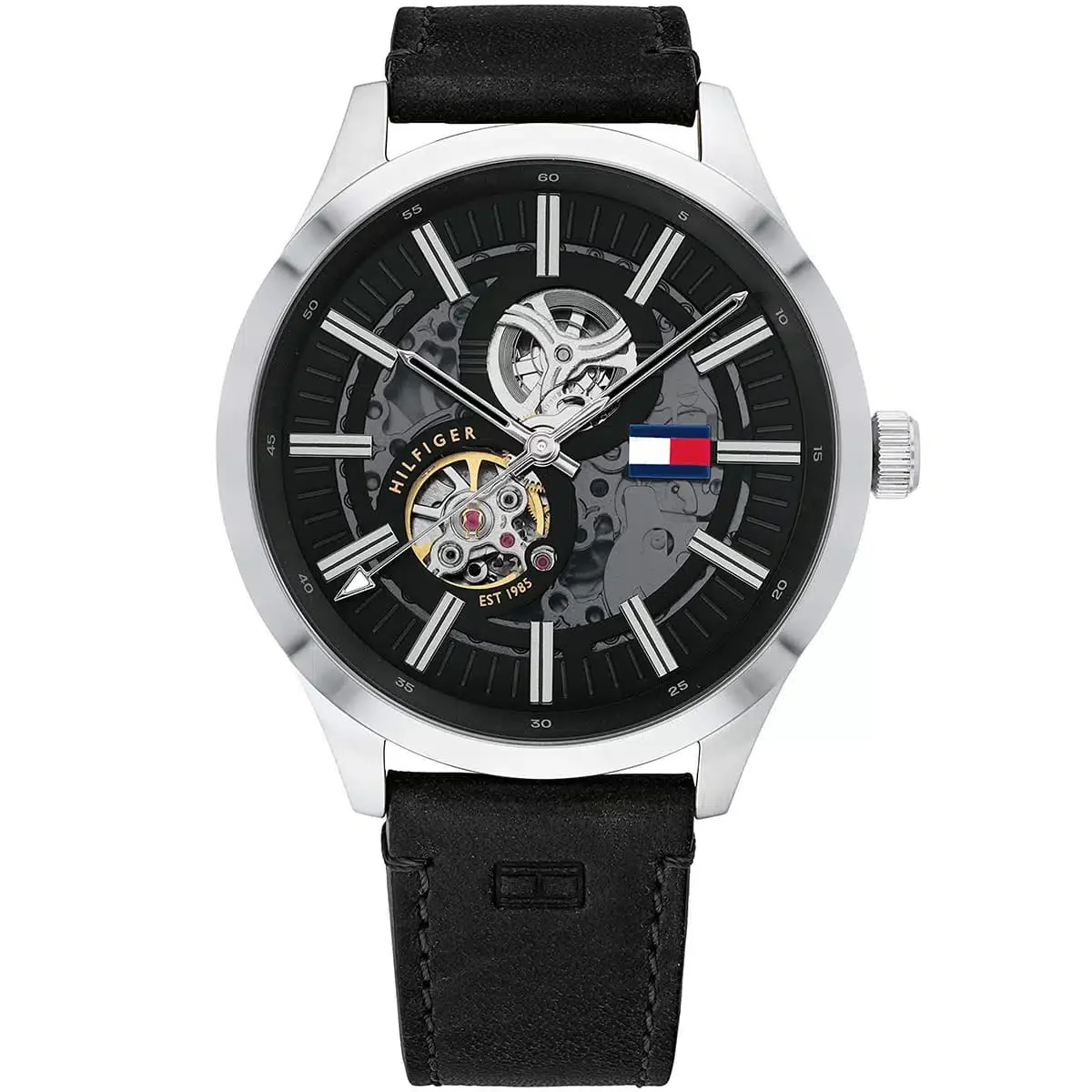
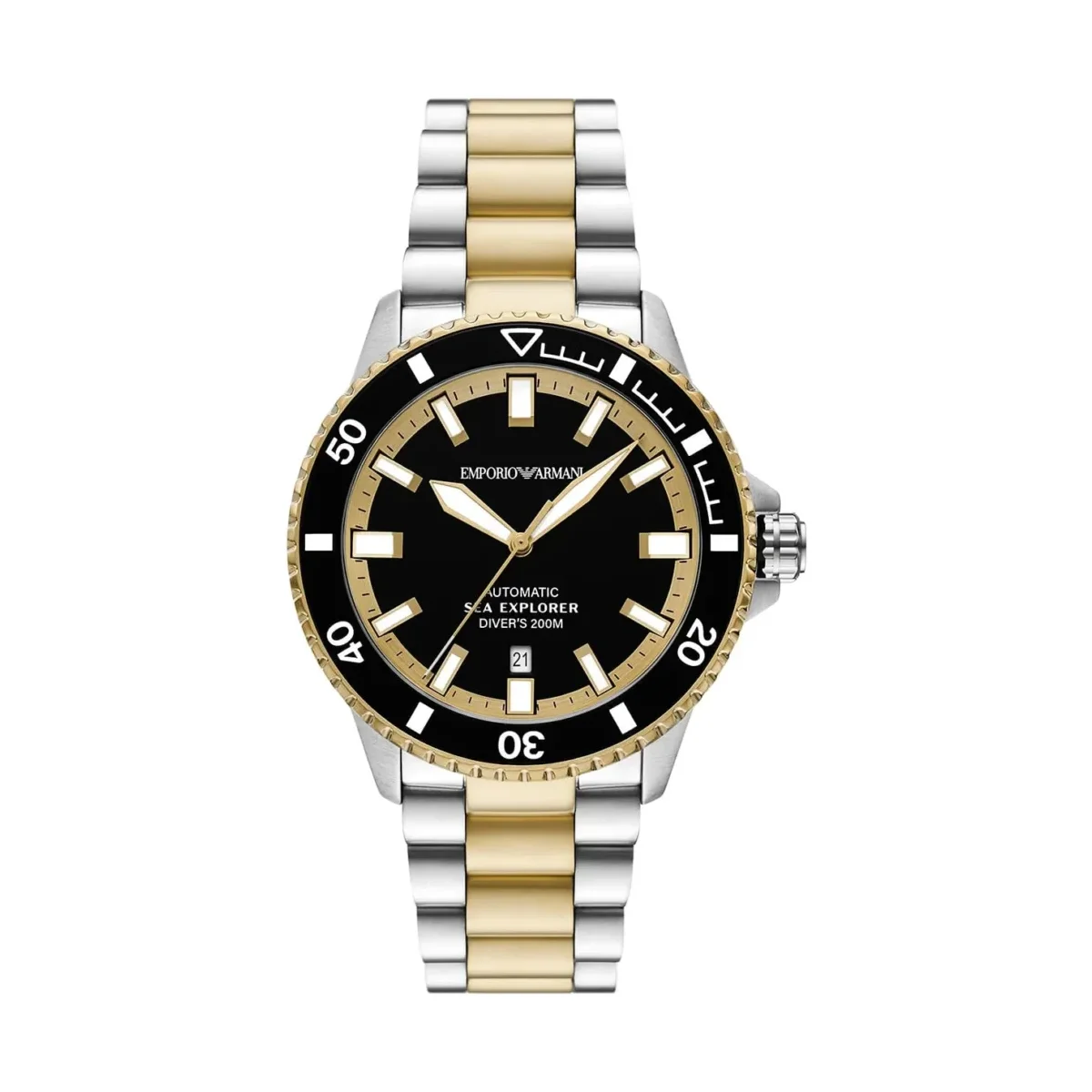
Choose quartz if you want a watch that keeps excellent time, needs only a battery every few years and is ready whenever you pick it up; choose automatic if you want a self-winding mechanical watch whose movement you can feel and often see, and you wear it most days; choose a hand-wound mechanical watch if you enjoy a daily ritual of winding. Most fashion watches, from Michael Kors to Tommy Hilfiger, are quartz, while automatics appear in lines such as the Emporio Armani Sea Explorer, the Hugo Boss Principle and the Tissot PRX Powermatic 80. We carry 5,472 watches at Brand Fashion, and this guide explains how each movement works, what it asks of you and which one suits your life.
Key points
- A quartz watch runs on a battery and a vibrating quartz crystal; it is the most accurate and the easiest to own.
- An automatic watch is mechanical and winds itself with the movement of your wrist; it stops after a day or two off the wrist.
- A hand-wound mechanical watch must be wound by its crown, usually once a day.
- Mechanical watches, automatic or hand-wound, are less accurate than quartz and need a service every few years.
- Choose by how you live: one watch worn daily suits an automatic; several watches in rotation suit quartz.
What a watch movement is
The movement is the engine inside a watch: the mechanism that measures time and drives the hands. Every analogue watch has one, hidden behind the dial, and it decides how accurate the watch is, how it is powered, how it should be cared for and, to a large extent, how it feels to own.
There are two great families. Quartz movements are electronic: a battery powers a tiny quartz crystal that vibrates at a precise frequency, and a circuit turns those vibrations into steps of the hands. Mechanical movements are made of springs, gears and a balance wheel: a wound spring releases its energy in tiny, regular beats. Mechanical movements are wound either by hand, through the crown, or automatically, by a rotor that turns as you move.
The movement is also where much of the character of a watch comes from. Two watches with the same case and dial can feel completely different on the wrist if one is quartz and the other automatic: the automatic is usually a little thicker and heavier, its seconds hand sweeps, and it needs to be worn to keep running. Knowing what each movement asks of you is the best way to avoid disappointment after you buy, and to choose a watch you will enjoy for years.
The blocks in this guide are live: they show watches in our shop today, available ones first, starting with quartz models and, further down, automatics.
Quartz: accurate and easy
Quartz watches were introduced to the public in 1969 and have since become the standard for everyday watches, because they combine high accuracy with low cost and little care. A good quartz watch gains or loses only a few seconds a month, far better than most mechanical watches manage in a day.
Owning a quartz watch is simple. It runs as long as its battery lasts, usually two to three years, and it keeps time even after weeks in a drawer. When the battery runs low, many quartz watches warn you by making the seconds hand jump in four-second steps. A battery change takes a few minutes; within the warranty we do it free of charge at our two Cairo stores.
You can usually recognise a quartz watch by its seconds hand, which moves in a single step once every second. That tick is completely normal. Almost every Michael Kors, Tommy Hilfiger, Guess and Naviforce watch at Brand Fashion is quartz, and so are most chronographs, because quartz makes the stopwatch function reliable and affordable.
Quartz also allows features that are harder or more expensive in mechanical form: a precise chronograph that measures to fractions of a second, a date that changes neatly at midnight, and slim cases that slide under a cuff. That is why the fashion brands build most of their collections around quartz, and why a quartz watch is usually the best first watch for someone who has never owned one.
Automatic: mechanical and self-winding
An automatic watch is a mechanical watch with a clever addition: a weighted rotor inside the case that swings as you move your wrist and winds the mainspring. As long as you wear it regularly, it keeps itself running without a battery and without any winding.
 A Hugo Boss Principle automatic with a skeleton dial: the mechanical movement is on show.
The pleasure of an automatic is mechanical. Its seconds hand moves in many small steps each second, so it appears to sweep around the dial. Many automatics, such as the Hugo Boss Principle with its skeleton dial, show the movement through an opening in the dial or a transparent case back, so you can watch the balance wheel beat and the gears turn.
An automatic stores a limited amount of energy, called its power reserve. Many store enough for one to two days; some modern movements go further, such as the Tissot Powermatic 80, named for its power reserve of up to 80 hours. Once the reserve runs out, the watch stops; to restart it, give it a few gentle movements and set the time.
Some automatics can also be wound through the crown, which is useful if the watch has stopped: a few turns give it a head start before you put it on. Others can only be wound by movement. The product description or the brand's instructions tell you which. A watch winder, a small box that rotates the watch while you are not wearing it, is an option for people who own several automatics, but it is not necessary if you wear one watch most days.
Mechanical hand-wound: the traditional way
A hand-wound mechanical watch has no rotor. You wind it by turning the crown, usually once every 24 hours at the same time, until you feel resistance. Then the mainspring slowly releases its energy for a day or more, and the watch runs until it needs winding again.
Hand-wound watches are traditional and often slim, because they do not need the space of a rotor. The daily ritual of winding becomes a small moment of attention to the watch. Fashion watch brands rarely offer hand-wound models today, so if you are looking for one, check the movement line on the product page or ask us on WhatsApp.
If you like the idea of a mechanical watch but are not sure about winding every day, an automatic is a good middle ground: it is fully mechanical, with the same springs, gears and balance wheel, but it does the winding for you as long as you wear it. The small ritual of setting the time after a weekend off can easily become part of the charm.
Accuracy compared
Accuracy is where quartz wins clearly. A typical quartz watch is accurate to within a few seconds a month. A mechanical watch, automatic or hand-wound, is typically accurate to within several seconds a day, and its rate changes slightly with temperature, position and how fully it is wound.
For reference, the Swiss chronometer standard set by COSC, the official Swiss testing institute, allows a mechanical movement an average daily rate between minus 4 and plus 6 seconds. Many good fashion automatics are not certified chronometers and run a little wider than that. In daily life this means you may need to correct an automatic every week or two, while a quartz watch can go months without adjustment.
None of this makes a mechanical watch a worse choice. People choose automatics for the craft, the feel and the visible movement, not for record accuracy. If precise time matters most to you, choose quartz; if the mechanism itself is part of the pleasure, choose automatic.
Care and servicing
Each movement asks for different care. A quartz watch needs a new battery every two to three years, and the battery should be changed as soon as the watch starts losing time or the seconds hand jumps, so a weak battery never leaks inside the case. Beyond that, a quartz watch asks only for the usual care of its case and strap.
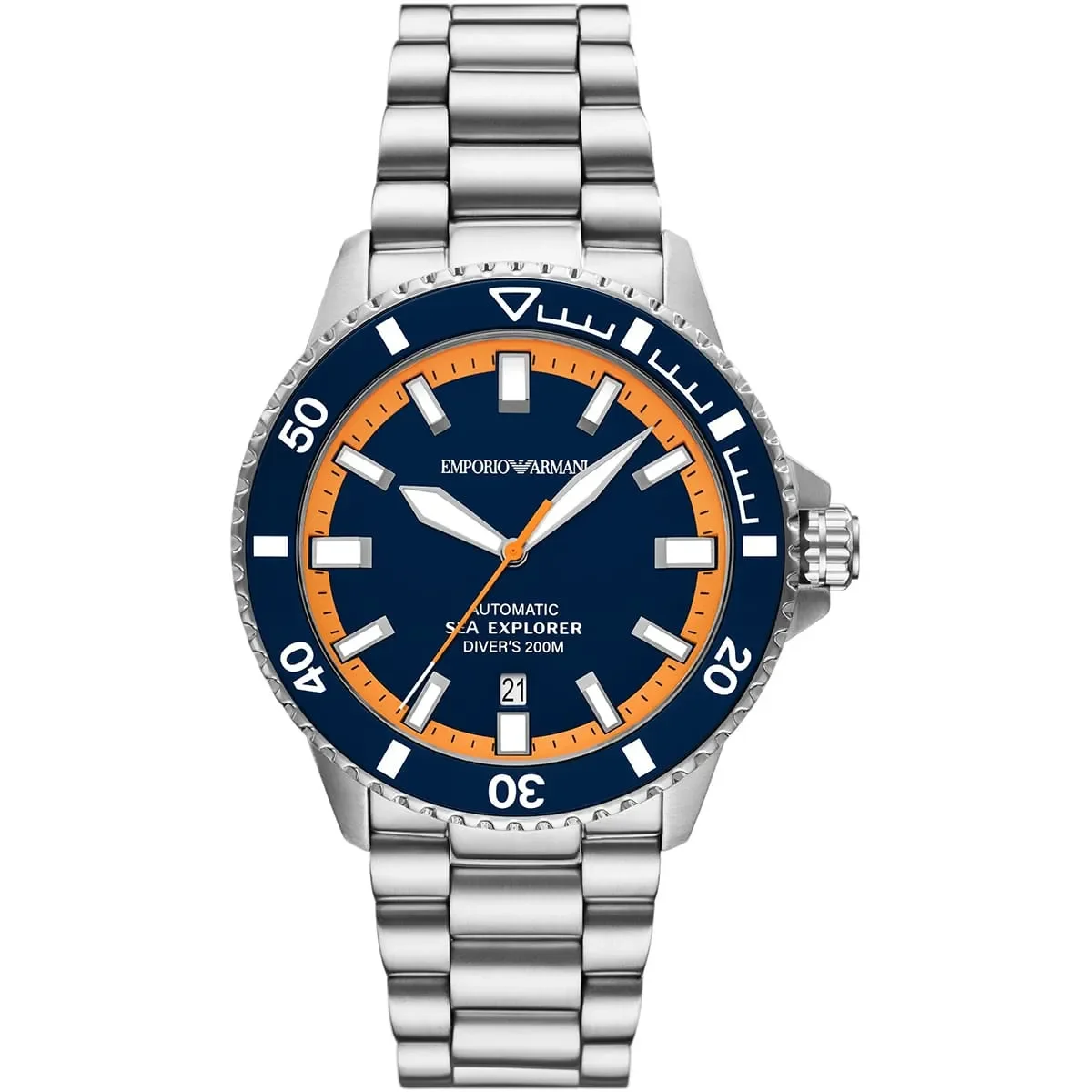 An Emporio Armani Sea Explorer automatic: a sporty mechanical watch that winds itself as you wear it.
A mechanical watch, automatic or hand-wound, has many moving parts lubricated with fine oils, and it benefits from a service every few years, when a watchmaker cleans, oils and adjusts the movement. Keep mechanical watches away from strong magnets, such as speakers, tablet covers and phone cases with magnetic clasps, which can disturb the balance spring and make the watch run fast. And avoid hard knocks, which a quartz watch tolerates better.
Water, shocks and daily wear
Water resistance has nothing to do with the type of movement; it depends on the case, the crown and the seals. A quartz watch and an automatic with the same rating can go to the same places. Check the rating on the product page: 50 m (5 ATM) allows a short pool swim, 30 m (3 ATM) means splashes and rain only, and 100 m (10 ATM) or more is fine for the sea. Never pull out the crown or press chronograph pushers under water.
Shocks and sport are a different matter. A quartz movement has few moving parts and copes well with the knocks of daily life and sport. A mechanical movement is more delicate: a sharp knock, for example from a tennis racket, a golf club or a hard fall, can affect its timekeeping. If you play impact sports, a quartz watch on a rubber or silicone strap is the more sensible choice for the court, and you can keep the automatic for the rest of the day.
Which movement suits you
Your lifestyle decides more than any specification. If you own one watch and wear it every day, an automatic will stay wound and reward you with its sweeping seconds hand and its visible mechanism. If you own several watches and switch between them, quartz is more practical, because each one is ready to wear whenever you pick it up. A Sea Explorer worn every weekday stays wound; three quartz watches in rotation are always ready.
If you want a watch to set and forget, for work, sport or travel across time zones, quartz is the easiest companion. If you love the idea of a small machine on your wrist, enjoy looking at the movement and do not mind setting the time now and then, an automatic is the more emotional choice. And if you enjoy rituals, a hand-wound watch makes winding part of your morning.
Movements in our shop
At Brand Fashion, most of the watches you will see are quartz: the women's Michael Kors and Guess ranges, Tommy Hilfiger's men's watches, Naviforce's chronographs and most fashion chronographs. Automatic models appear across several brands, among them the Emporio Armani Sea Explorer, the Hugo Boss Principle and Troper Automatic, a number of Fossil models, and the Tissot PRX Powermatic 80.
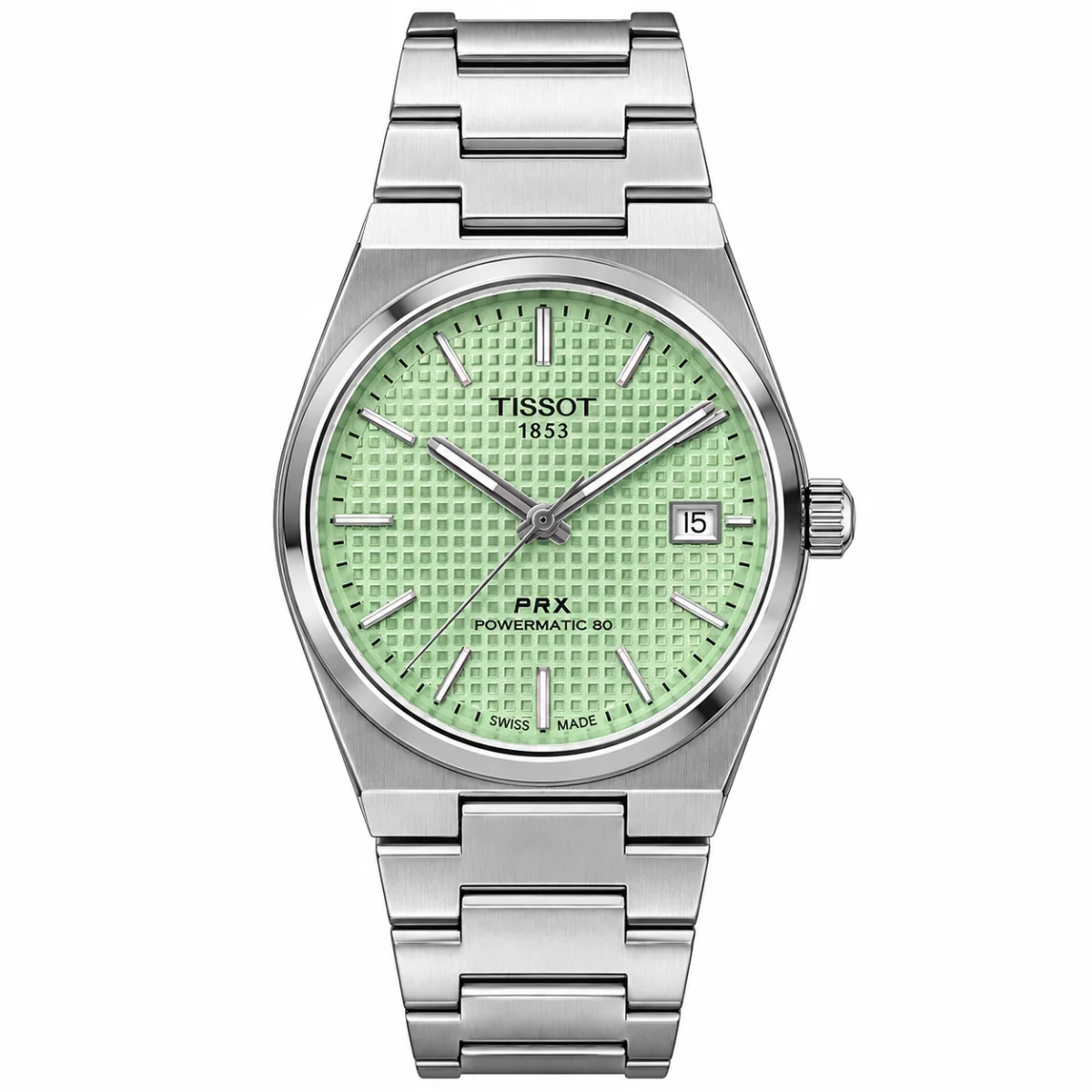 A Tissot PRX Powermatic 80: a Swiss automatic named for its power reserve of up to 80 hours.
Each product page states the movement type, along with the case size, the water resistance and the warranty.
If you are buying your first automatic, start with a model you would happily wear every day, in a size that suits your wrist, so it stays wound and becomes part of your routine. A sporty automatic on a steel bracelet, such as a Sea Explorer, is easy to wear with most clothes; a dress automatic with a skeleton dial, such as the Principle, is the choice for a man who wants the movement to be the centre of attention. Within the warranty we replace quartz batteries free of charge at our stores; a mechanical watch that needs servicing is handled through the warranty or, outside it, for a fee that we quote before any work starts.
Frequently asked questions
What is the difference between quartz and automatic?
A quartz watch runs on a battery and a vibrating quartz crystal, keeps very accurate time and needs a battery change every two to three years. An automatic is mechanical: a rotor winds its spring as you move your wrist, it needs no battery, it is less accurate than quartz and it stops after a day or two off the wrist.
Do automatic watches need a battery?
No. An automatic watch is powered by a mainspring that its rotor winds as you move your wrist. If you wear it every day it keeps running; if you leave it off for longer than its power reserve, often one to two days, it stops. Give it a few gentle movements and set the time to restart it.
Which is more accurate, quartz or automatic?
Quartz, by a wide margin. A typical quartz watch gains or loses a few seconds a month, while a mechanical watch, automatic or hand-wound, typically varies by several seconds a day. The Swiss COSC chronometer standard allows a mechanical movement an average of minus 4 to plus 6 seconds a day.
How can I tell if a watch is quartz or automatic?
Look at the seconds hand. On a quartz watch it moves in a single step once a second; on an automatic it moves in many small steps, so it appears to sweep. Many automatics also show the movement through the dial or the case back. The movement type is stated on every product page.
Can I return a watch if the movement does not suit me?
Yes. You have 14 days from delivery to return or exchange an unused watch in its original packaging with its tags and protective film, and we pay the return shipping. Send us your order number on WhatsApp and we arrange the pickup; the refund goes back by the payment method you used.
Where to go from here
To compare movements yourself, browse the quartz watches and the automatic watches in our shop, or see all our watches by brand. Our articles include guides to individual brands, sizes and gifts, if you want to go further.
If you would like to feel the difference, visit our store at Arkadia Mall on the Corniche or our branch on El-Thawra Street in Heliopolis, both open every day from 10:00 to midnight. Hold a quartz watch and an automatic side by side, watch their seconds hands, and look at an automatic's movement through its case back; the difference is easier to feel than to describe.
Sources